

From classic gingerbread to sweet potato pie to pumpkin spice latte, the cool-weather treats we all know and love have one thing in common: warm spices.
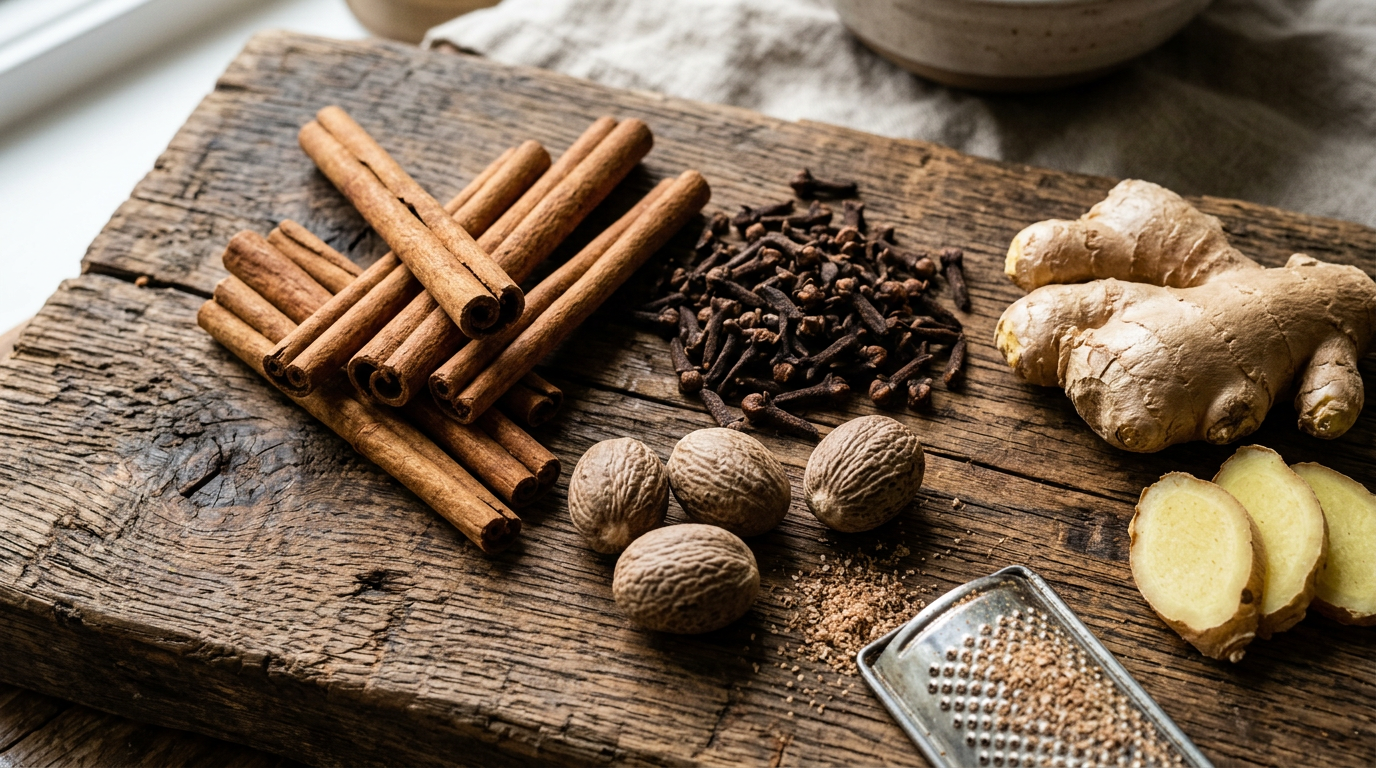
What Are Warm Spices?
Warm spices are ingredients that give foods a comforting flavor and tempting aroma. They include seasonings such as cinnamon, nutmeg, ginger, and cloves.
While they don’t make food “temperature” hot or “spicy” hot, some of them do have thermogenic properties. Thermogenic means “heat-producing”. Spices with this mysterious superpower play chemical tricks on our nervous system, giving us a gentle feeling of warmth inside.
But warm spices can also make us feel cozy emotionally. Because they’re commonly used in dishes for special occasions and family gatherings, their fragrance can trigger powerful memories of happy times. Without even thinking about specific events, your brain signals that the smell of comfort, festivity, and security is in the air.
How and Where Warm Spices Grow
Warm spices are harvested from plants that grow in warm parts of the world. They come from a variety of different plant parts, including bark, roots, seeds, and flower buds.
Cinnamon
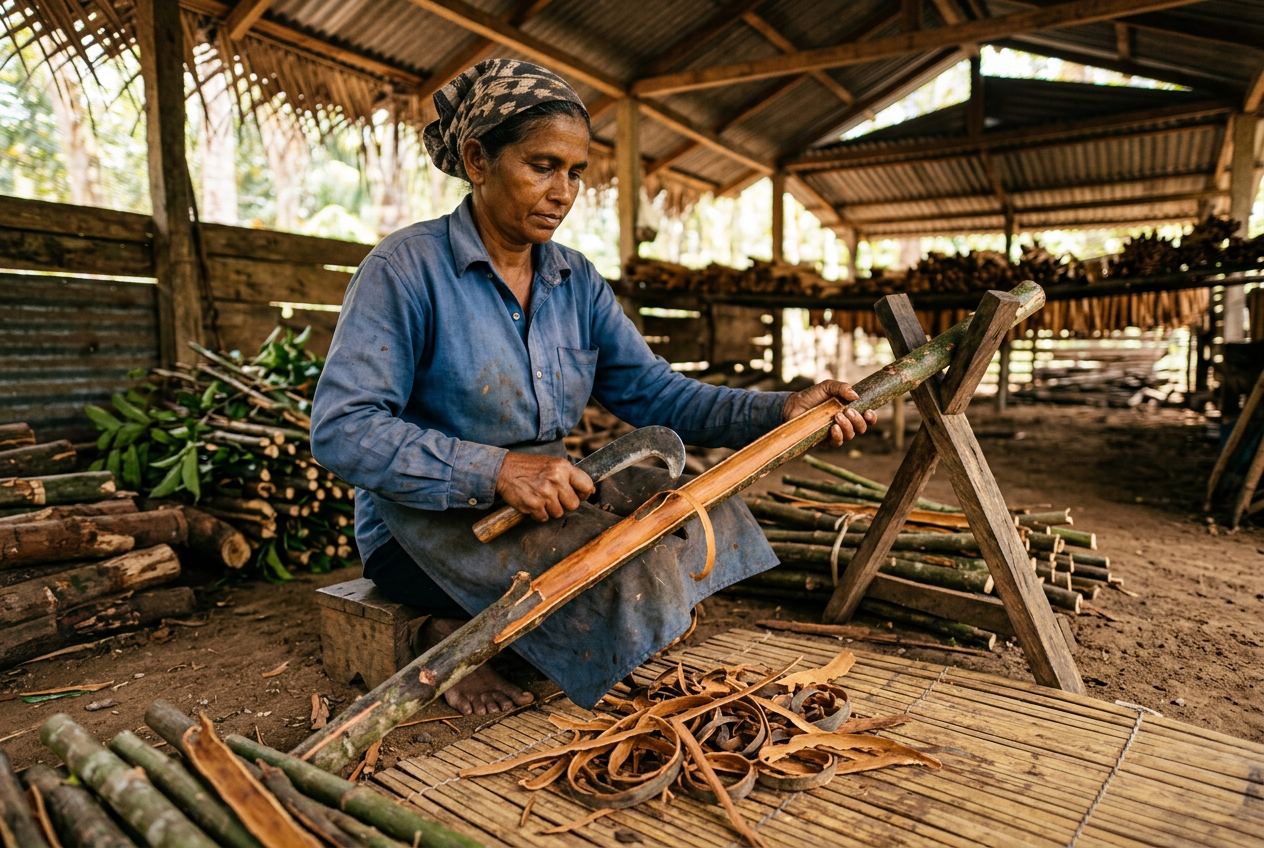
Cinnamon trees grow in warm, rainy places, including parts of Sri Lanka, India, and Southeast Asia. Cinnamon comes from the inner bark of young branches. Farmers carefully cut and peel the bark, then let it dry. As it dries, it curls into rolls called cinnamon quills. These cylindrical sticks can be used whole or ground into powder.
Ginger
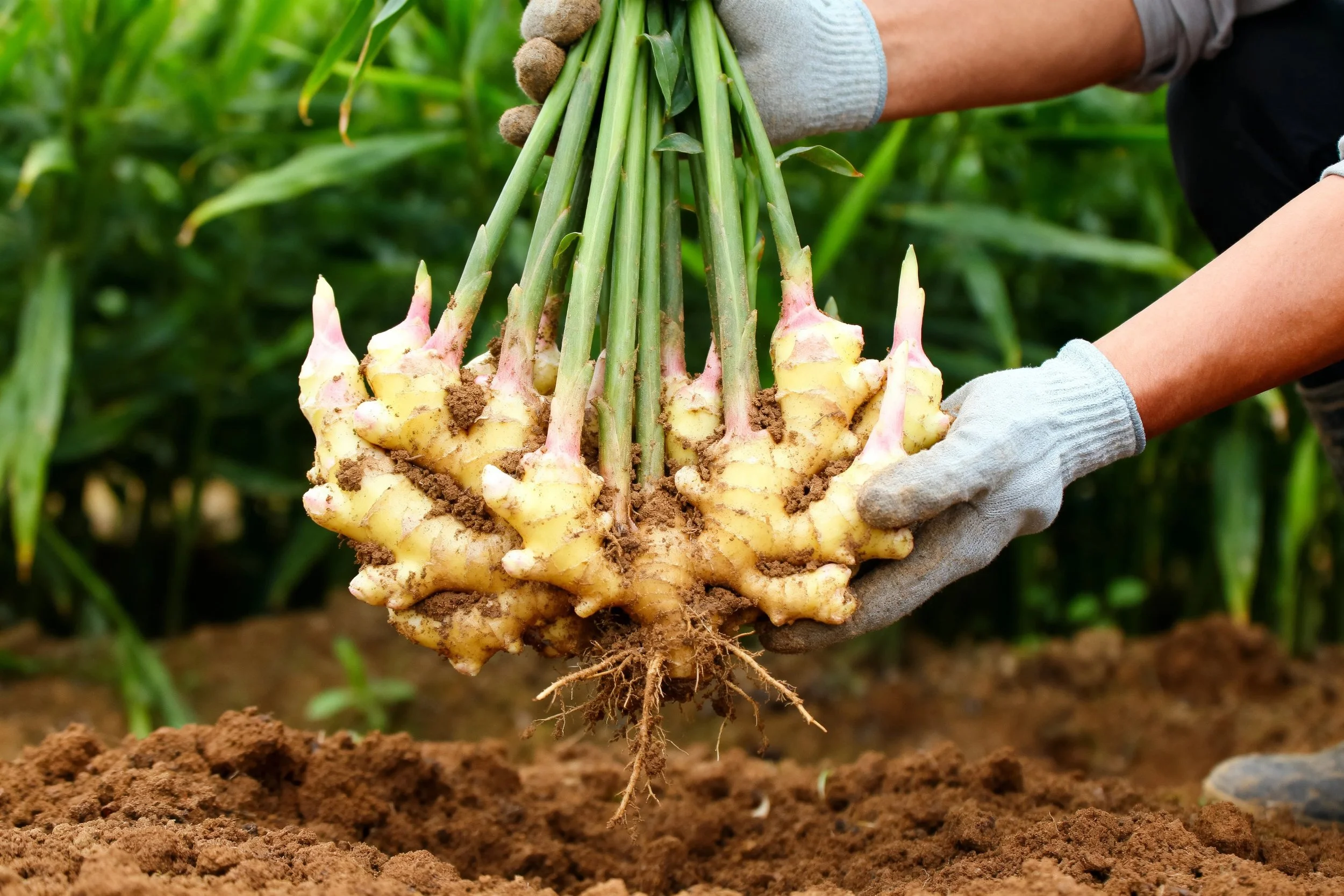
Ginger grows best in warm, moist regions such as India, China, and parts of Southeast Asia. The part we eat is an underground stem called a rhizome. It can be used fresh, dried in thin slices, ground into powder, or candied with the addition of sugar to make crystallized ginger.
Nutmeg and Mace
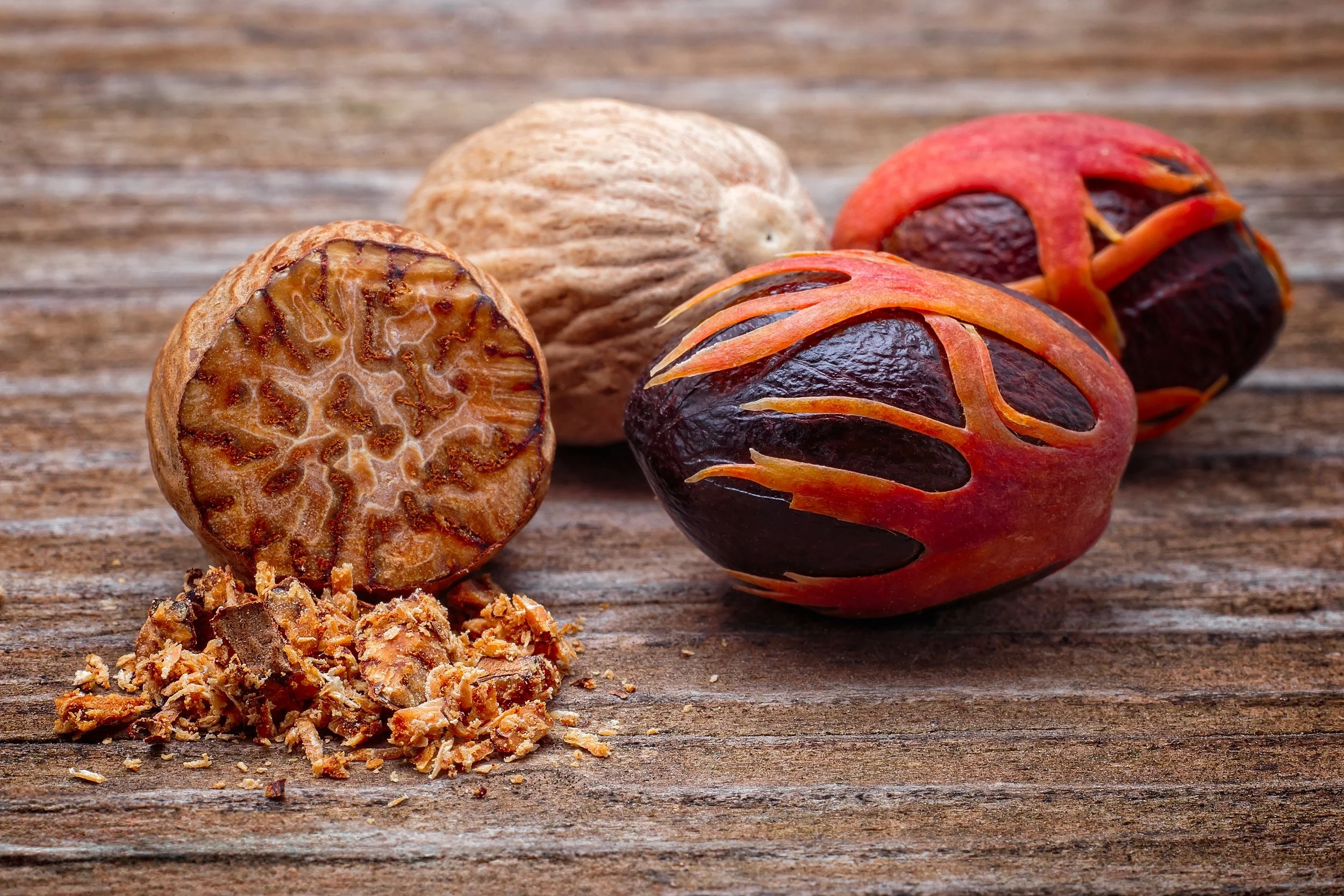
Nutmeg trees grow in tropical areas, including Indonesia and the Caribbean. Nutmeg is the seed found inside the fruit of the tree. When the fruit opens, farmers collect the seeds and dry them for several weeks. Most recipes call for ground nutmeg, but freshly grated nutmeg is much more fragrant and flavorful.
At the time of harvest, nutmeg seeds are wrapped with a lacy covering that’s dried and ground into a separate spice called mace. It’s a two-for-one seasoning deal, making nutmeg and mace the official spice twins.
Cloves
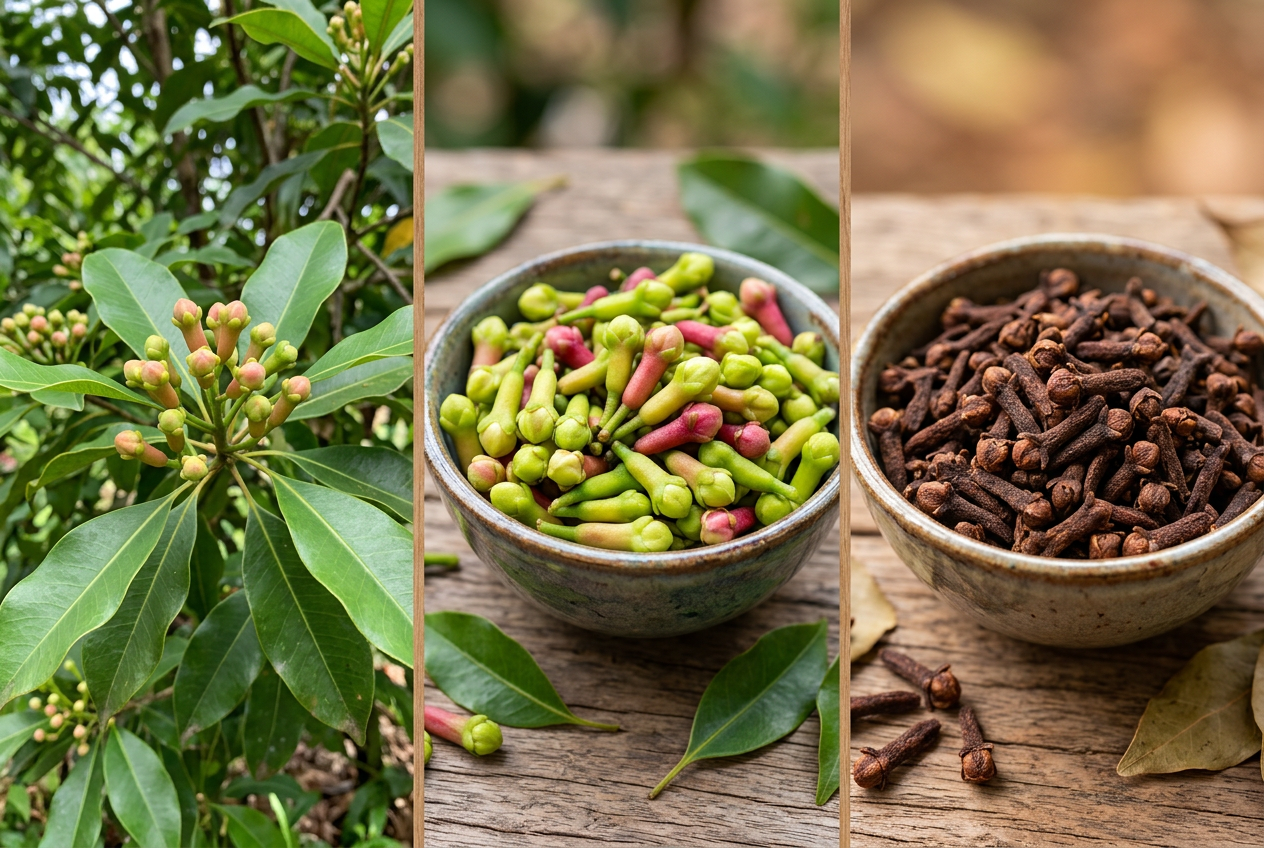
Clove trees grow in warm, tropical places, especially Indonesia, Madagascar, and Tanzania. Cloves, which look like tiny nails, are the tree’s unopened flower buds. Farmers pick the buds before the flowers open, then dry them in the sun until they turn dark brown and become hard and fragrant.
A World of Flavor
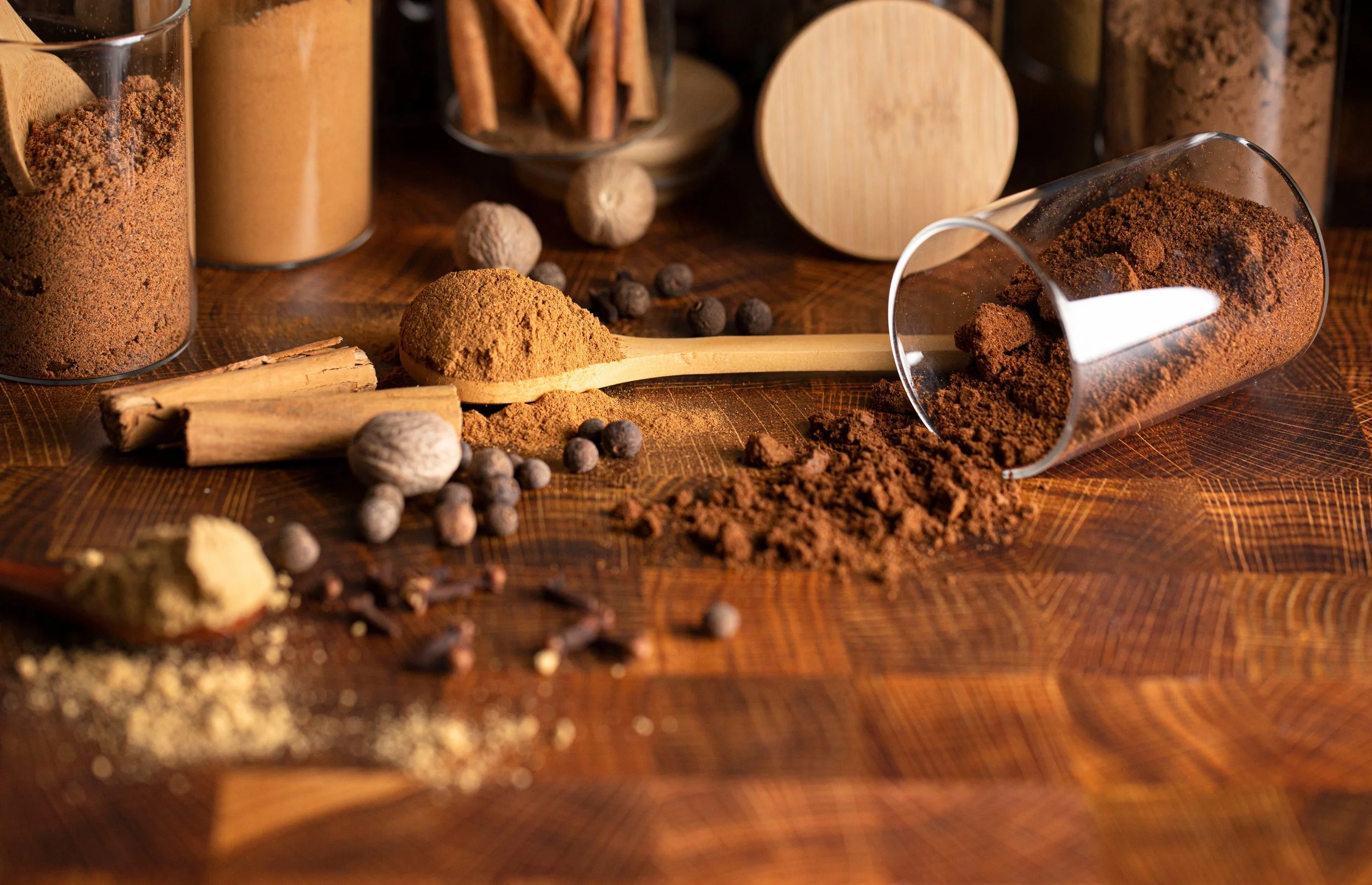
Warm spices are used in dishes from many places around the world. While we often associate cinnamon with sweet baked goods, it’s also a key ingredient in Mexican hot chocolate and Greek moussaka. Ginger gives a punchy flavor to savory foods in many Asian cuisines. Nutmeg adds an interesting twist to Swedish meatballs. And cloves are equally at home seasoning Indian biryani or studding a glazed ham for a Western holiday celebration.
Exploring spices is a great way to learn about people, places, and traditions. Where will your culinary curiosity take you next?